Introduction
Small bathrooms don’t have to compromise on style or function. With expert planning, purposeful fixtures, and finishes that reflect light, you can create a space that feels larger, lighter, and more organized. This guide focuses on small bathroom ideas that maximize every inch, boost storage, and deliver a polished look without a costly remodel. The strategies below align with the EEAT principles—showing expertise through practical tips, authority via proven design patterns, and trustworthiness with durability and maintenance considerations.
Space-Saving Layouts
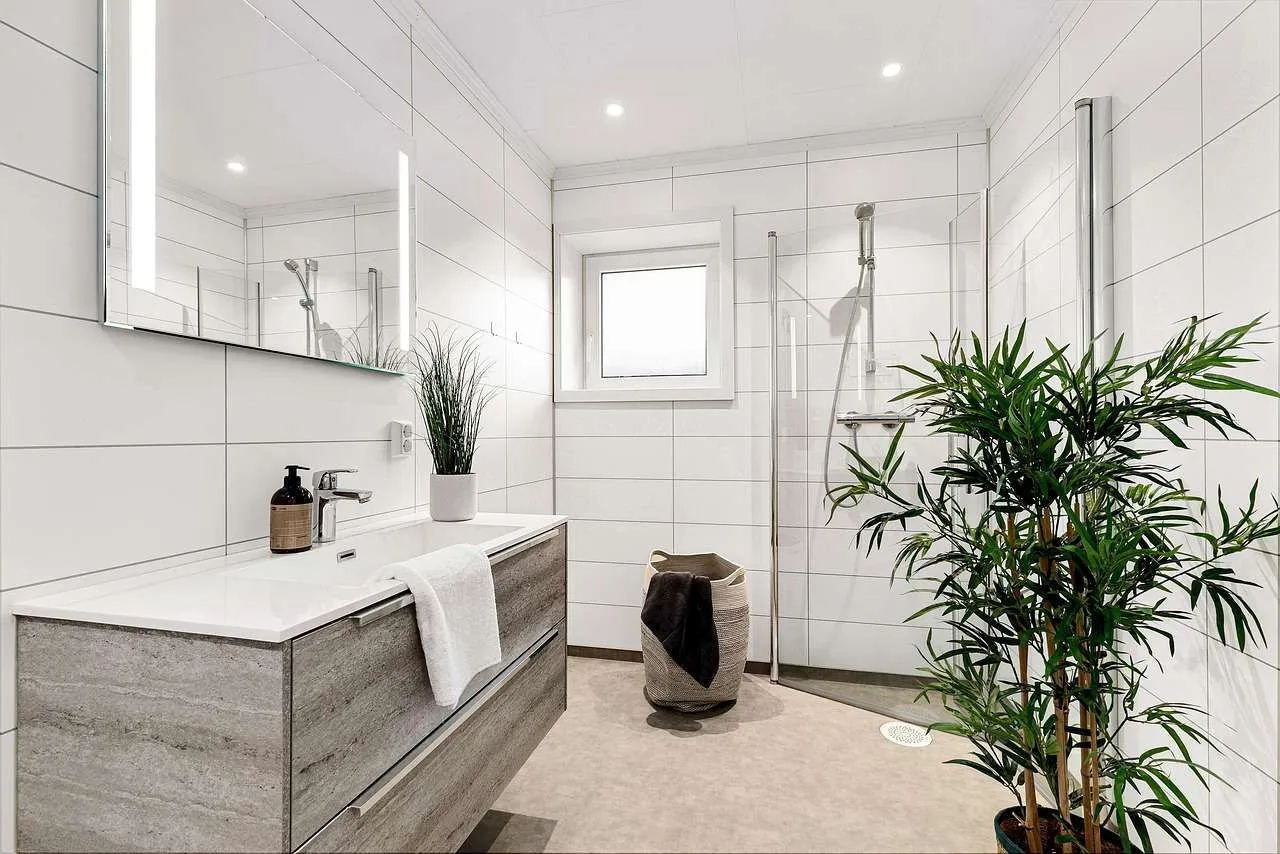
Layout is the first lever in a small bathroom’s success. Prioritize wall-mounted elements to free floor space and improve flow. Consider a wall-mounted vanity paired with a compact or wall-hung toilet. If possible, swap a swing door for a pocket or barn-style door to reclaim usable width. A corner sink or a shower enclosure that hugs the corner can dramatically open up the room.
Key layout tips
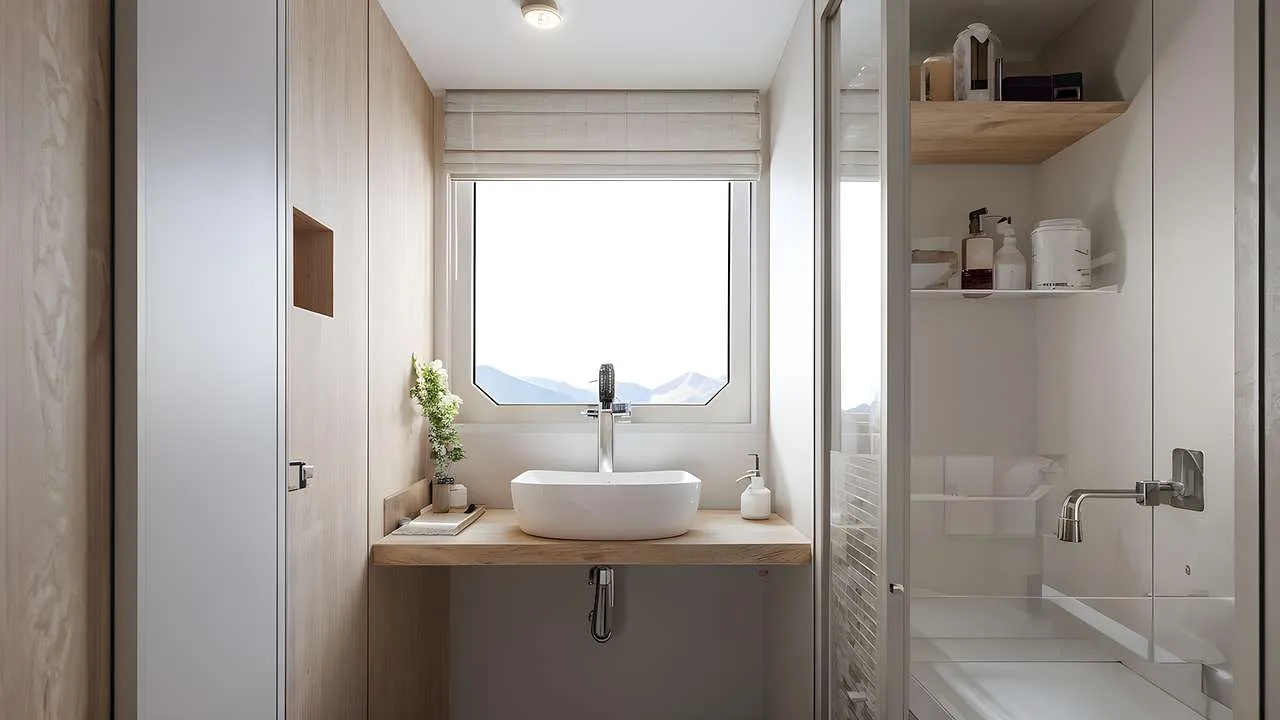
- Placing the vanity under a window or mirror adds perceived depth and light.
- Keep the shower ahead of the door line to avoid a cramped entry.
- Use a clear glass shower enclosure to visually expand the space.
- Install wall-mounted storage above eye level to maintain clean sightlines.
Color, Lighting, and Mirror Strategy
Light colors and reflective surfaces create a sense of openness. Choose white, off-white, or pale gray walls paired with large-format tiles that reduce grout lines. A generously sized mirror or dual mirrors bounce light around the room. Layered lighting—ambient, task, and accent—ensures the space feels bright without glare. Consider vertical lighting to frame the mirror and eliminate shadows on vanity tasks.
Fixtures and Storage Options
Smart fixtures save square footage and boost organization. Look for a compact, wall-mounted vanity with integrated storage, a slim-profile toilet, and a shower with a recessed niche for toiletries. Vertical storage towers, open shelves, and recessed medicine cabinets keep essentials discreet yet accessible. Avoid bulky freestanding cabinets that crowd the floor.
Materials and Maintenance
Durable, water-resistant materials elongate a small bathroom’s life while reducing upkeep. Choose porcelain or ceramic tiles with large formats to minimize grout. Quartz or solid-surface countertops resist moisture and stains. For walls, select mildew-resistant paints or waterproof wall panels. A slip-resistant floor finish improves safety in a small, wet environment.
10 Small Bathroom Ideas That Work
Implementing a handful of focused ideas often yields the biggest payoff in a tight bathroom. Here are practical options with quick impact:
- Wall-mounted vanity with open shelves: Keeps essentials within reach while leaving airy floor space.
- Corner sink or compact vanity: Maximizes corridor width and improves movement.
- Glass shower enclosure: Eliminates visual bulk and reflects light throughout the room.
- Recessed niches: Built-in storage for soaps, shampoos, and toiletries, reducing clutter.
- Recessed or invisible shelving: Keeps walls clean and expandable for growing needs.
- Large-format tiles: Fewer grout lines create a continuous, spacious feel.
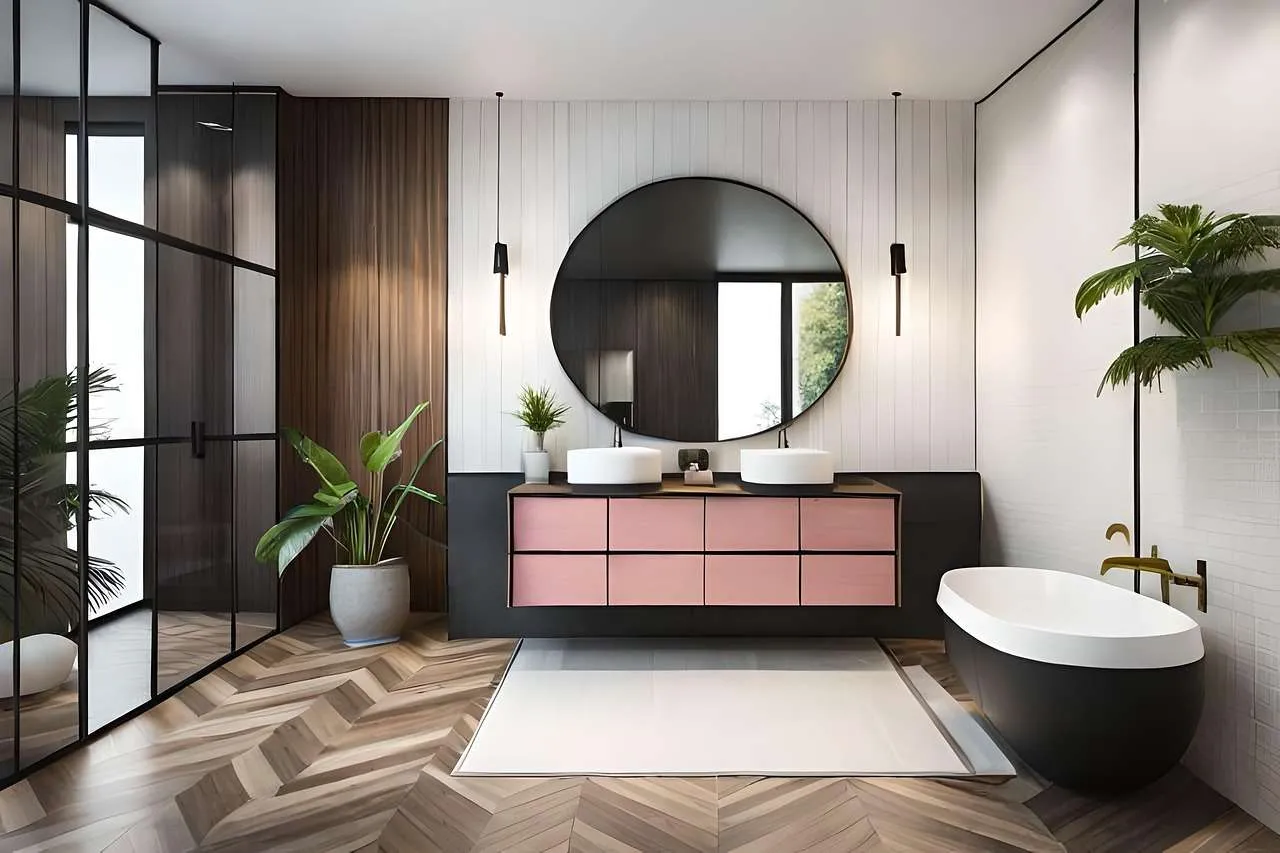
- Oversized mirror: Multiplies light and depth, especially when paired with lighting layers.
- Pocket or barn door: Eliminates door swing interference while adding character.
- Vertical storage: Narrow, tall cabinets or slim towers fit along walls without crowding the room.
- Layered lighting: Combine recessed, vanity, and mirror lighting to eliminate shadows.
Budget and Implementation Plan
Plan in phases to control costs and manage trades. Start with essential structural changes (door type, vanity position), then upgrade finishes (tiles, paint), followed by fixtures (toilet, sink) and storage. Measure carefully, compare products, and prioritize items that yield the most space gain per dollar. If you’re hiring professionals, request references and verify warranty coverage on fixtures and materials. A well-structured plan ensures you achieve a cohesive look with lasting performance.
Comparison/Summary
| Idea Type | Space Gained | Typical Cost | Pros | Cons |
|---|---|---|---|---|
| Wall-mounted vanity + toilet | Moderate floor clearance | Low to mid | Cleaner lines; easier cleaning; more storage | Installation complexity; may require plumbing changes |
| Pocket or barn door | Door swing space reallocated | Mid | Improved accessibility; saves space | Can be costly; installation requires precise framing |
| Clear glass shower enclosure | Perceived openness | Mid | Visual expansion; easier to keep clean | More glass cleaning; higher upfront cost |
| Recessed niches | Vertical wall space utilization | Low to mid | Keeps shower area organized; no clutter | Requires mudding/tilling work |
| Large-format tiles | Fewer grout lines | Low to mid | Cleaner look; easier maintenance | Requires skilled installation; cost varies |
Conclusion
Conclusion, applying these small bathroom ideas delivers a brighter, more organized, and functional space. Focus on a thoughtful layout, durable materials, and smart storage to maximize every inch while keeping maintenance reasonable. With careful planning and the right fixtures, a compact bathroom can feel expansive, stylish, and truly fit for daily use.