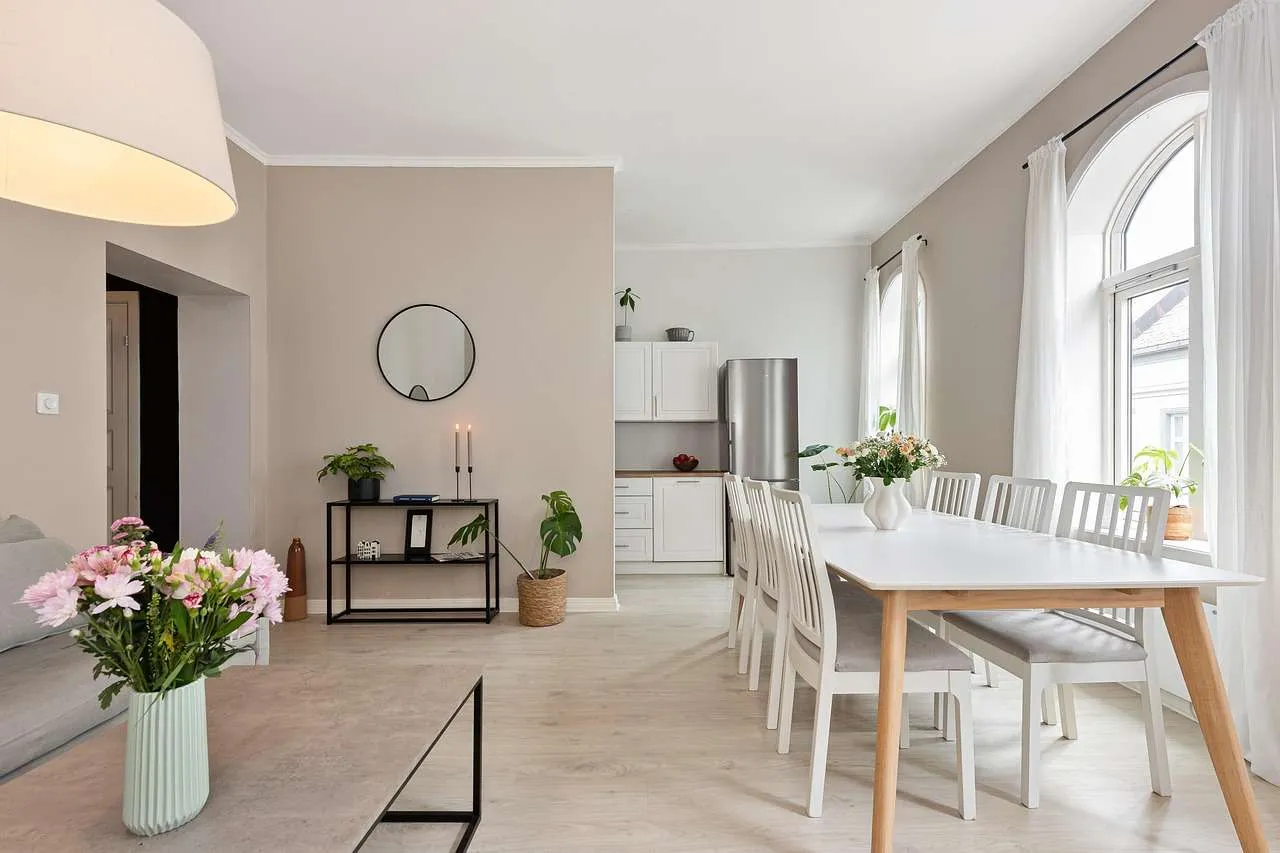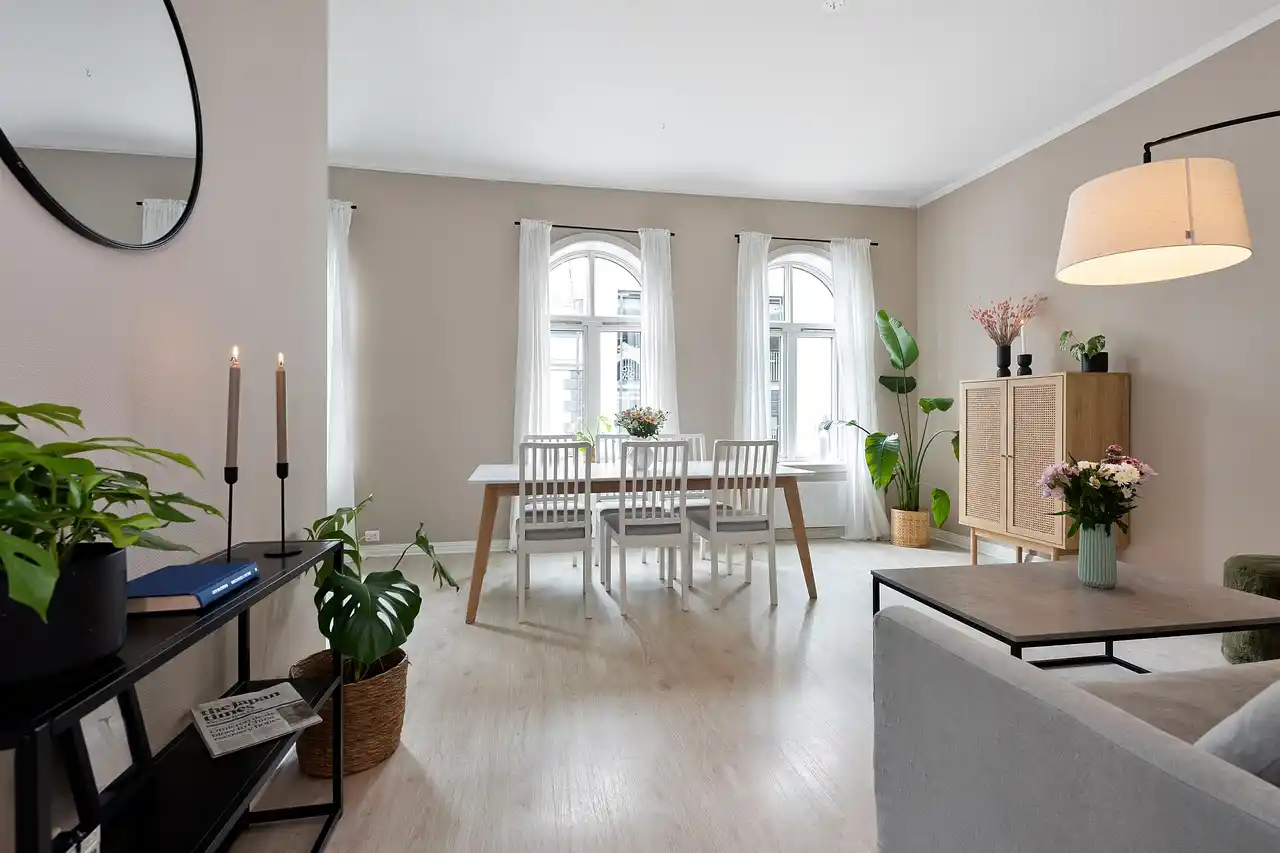
Home window tinting near me is a popular home improvement option for comfort, energy efficiency, and privacy. Finding a local professional ensures quick access to service, proper installation, and aftercare support.
Why tint your home windows
Tinting adds a protective film to glass that reduces heat gain from the sun, blocks most ultraviolet rays, and lowers glare. Professionally installed tint can improve indoor comfort across seasons and protect furniture from fading. When you search for home window tinting near me you are looking for nearby experts who understand local climate, sunlight patterns, and building codes.
Benefits of home window tinting
Ultraviolet protection shields occupants and furnishings. Heat rejection lowers cooling load and may reduce energy bills. Glare reduction makes living spaces more comfortable for viewing screens and reading. Privacy increases without heavy drapes. Some films add safety by helping hold shattered glass together in impact events. Modern tints also come with warranties that cover fade and adhesion for many years.
Choosing the right tint option
Common film types include dyed, metalized, ceramic, and hybrid. Dyed films are affordable but may fade sooner. Metalized films offer strong heat rejection and glare control but can interfere with electronics or signals in some homes. Ceramic films provide excellent heat rejection, high clarity, and no signal interference. Hybrid combines features of metalized and ceramic. When selecting a tint near you, consider heat rejection, visible light transmission VLT, color stability, warranty, and brand reputation.
How to read a window tint quote
Ask for the exact film type, shade percentage or VLT, warranty terms, and whether the quote includes all edges, cleaning, and any required permits. Request before and after photos and confirm installer training and certifications. A reputable local installer should visit your home for an on site measurement and discuss goals for each room.
Installation process and timeline
The process typically begins with a surface cleaning and dry inspection. Technicians measure each pane, cut film to size, and apply it with a smooth squeegee technique to avoid air bubbles. Edges are trimmed and sealed to prevent peeling. Most residential projects for a standard home take 2 to 6 hours per day depending on the number of windows and room complexity, with some larger homes requiring multiple days. A curing period may follow where cleaners avoid water exposure and heavy cleaning for a few days.
Maintenance and care
To maximize life and appearance, use a mild soap solution or a dedicated window film cleaner and a soft microfiber cloth. Avoid ammonia based cleaners as they can degrade the film over time. Do not use abrasive materials that may scratch the surface. After installation, allow the film to cure as recommended by the installer before heavy washing or exposing to strong cleaning agents.
Comparison table of tint options
| Option | Heat Rejection | Glare Reduction | Privacy | Durability | Cost | Notes |
|---|---|---|---|---|---|---|
| Dyed | Moderate | Low to moderate | Limited | Low | Low to mid | Budget friendly; color may fade |
| Metalized | High | High | Moderate | Medium | Mid | Sheen; potential signal interference |
| Ceramic | Very high | Excellent | High | Very durable | Mid to high | Best performance and clarity |
| Hybrid | High | Good | Moderate | Moderate to high | Mid | Balanced option |
Regulatory and safety considerations
Local regulations vary by country, state, and even municipality. Some areas limit the reflectivity or require certain VLT levels for street facing windows. Your installer should help ensure the tint complies with local rules while achieving your comfort and safety goals. Additionally, choose a certified installer with proper insurance to protect your investment.
How to find a home window tinting near me
Start with local search and neighborhood recommendations. Read reviews on independent sites and request a free on site assessment. Compare quotes that specify film type, warranty, and installation scope. Ask about their process for measuring windows, handling curved frames, and guaranteeing edge seal and curing. A trustworthy provider will outline aftercare, durability expectations, and treatment for different rooms such as living areas, bedrooms, and home offices.
Conclusion
Conclusion, this guide covers how to choose the right film type, verify installer credibility, compare options, and plan for a professional installation near you. By evaluating heat rejection, VLT, warranty, and local regulations, you can secure a comfortable, energy efficient home with durable window tinting near me.